
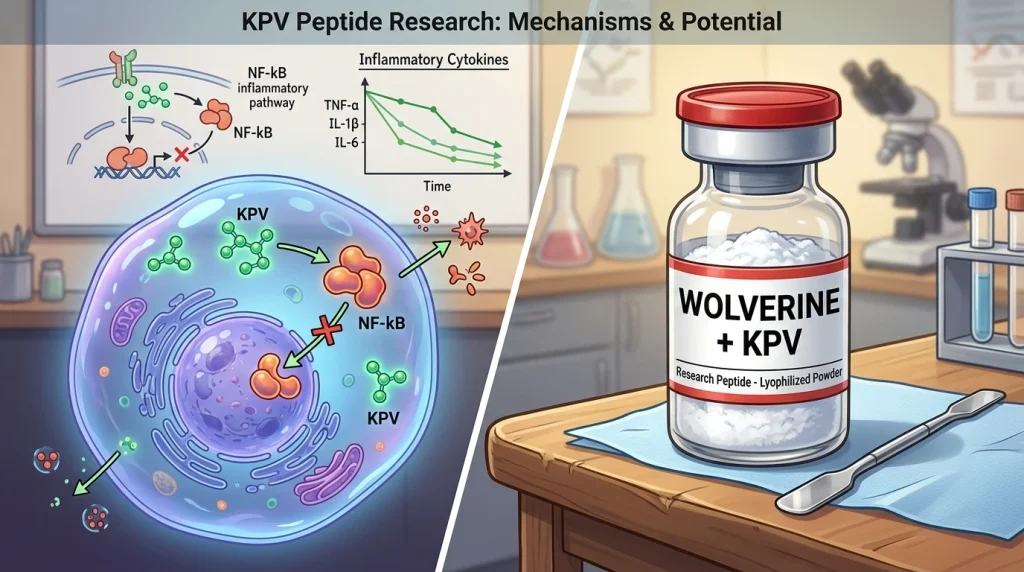
KPV in Wolverine Blends: Anti-Inflammatory Research Explained
KPV in wolverine blend research: NF-kB inhibition by the alpha-MSH tripeptide and published evidence on its role in the inflammation-healing cascade.
This is the main blog category
KPV in wolverine blend research: NF-kB inhibition by the alpha-MSH tripeptide and published evidence on its role in the inflammation-healing cascade.
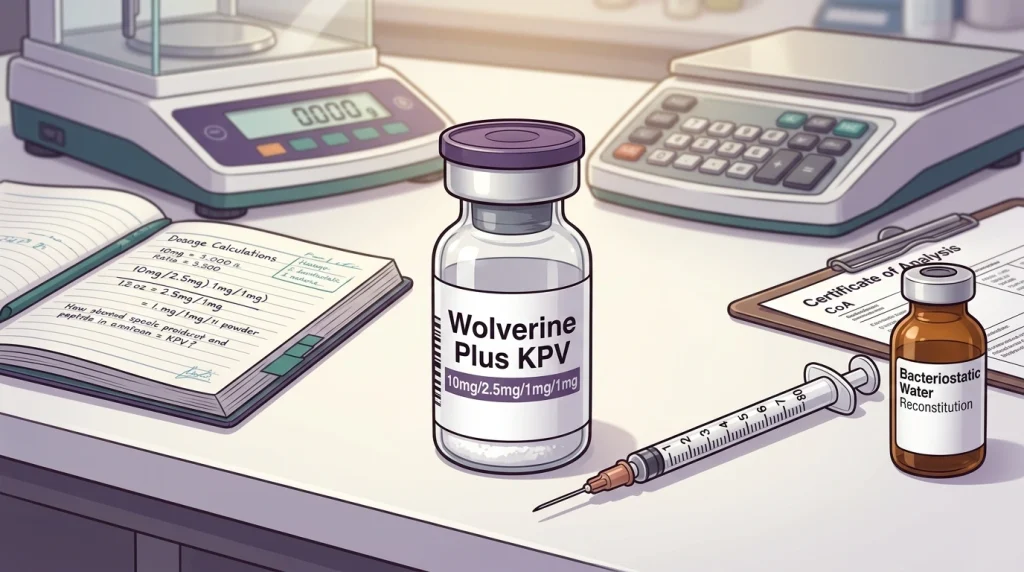
Wolverine Plus KPV dosage research at the 10mg/2.5mg/1mg/1mg blend ratio. Published protocol data and cycle length for the 4-peptide recovery stack.
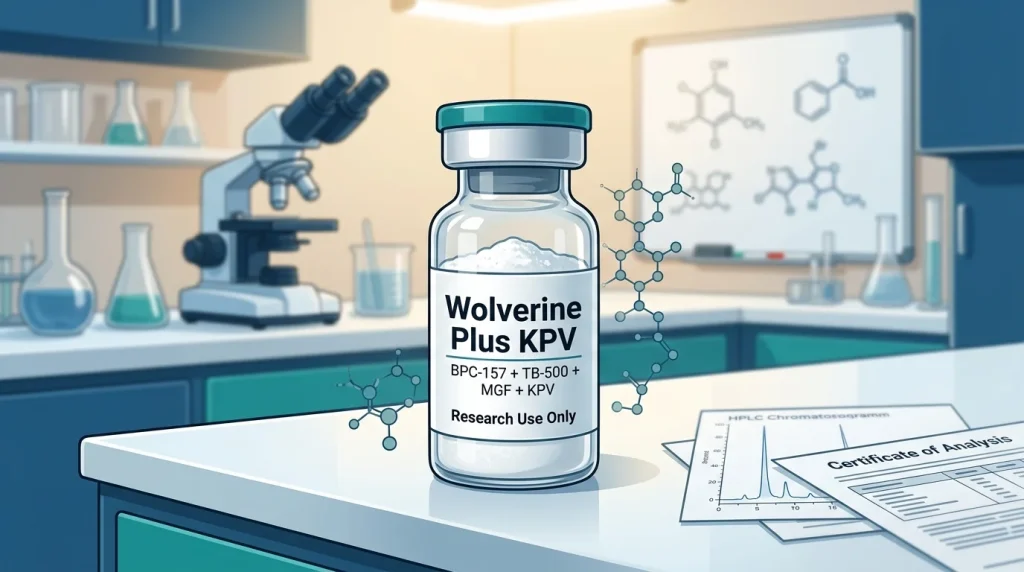
Wolverine Plus KPV combines BPC-157, TB-500, MGF, and KPV for research use – mechanism, published evidence, and US research-grade sourcing guide.
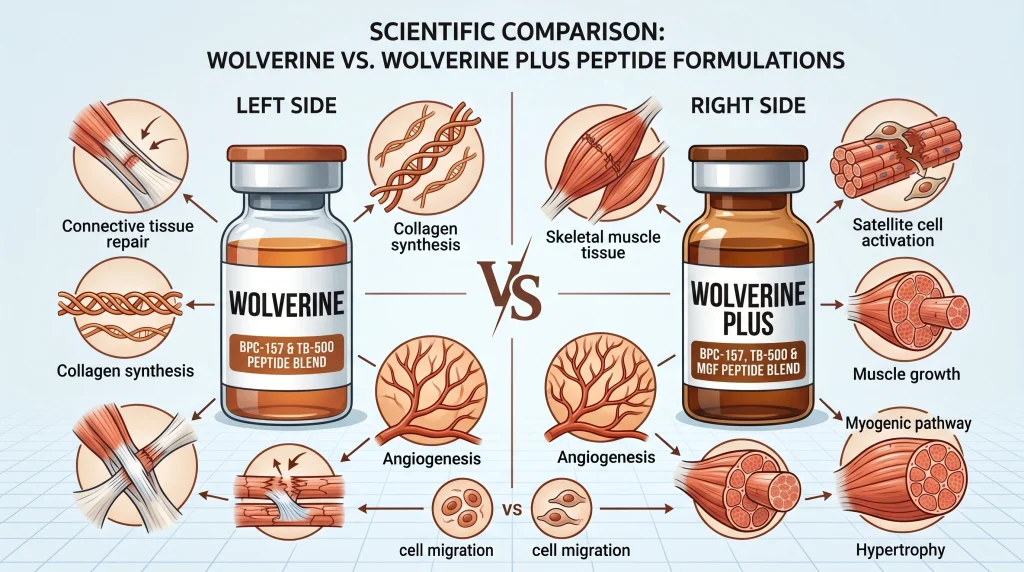
Wolverine vs Wolverine Plus research comparison – BPC-157/TB-500 blend versus the MGF-enhanced version and how published data differentiates the two.
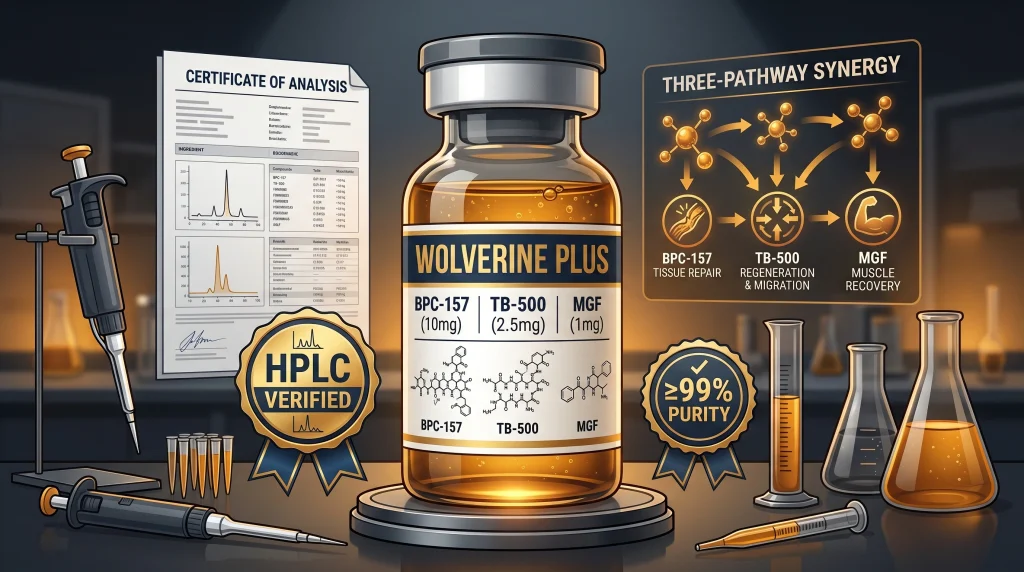
Buy Wolverine Plus blend from a trusted US source. COA-verified BPC-157, TB-500, and MGF in a single vial for advanced tissue repair and muscle research.
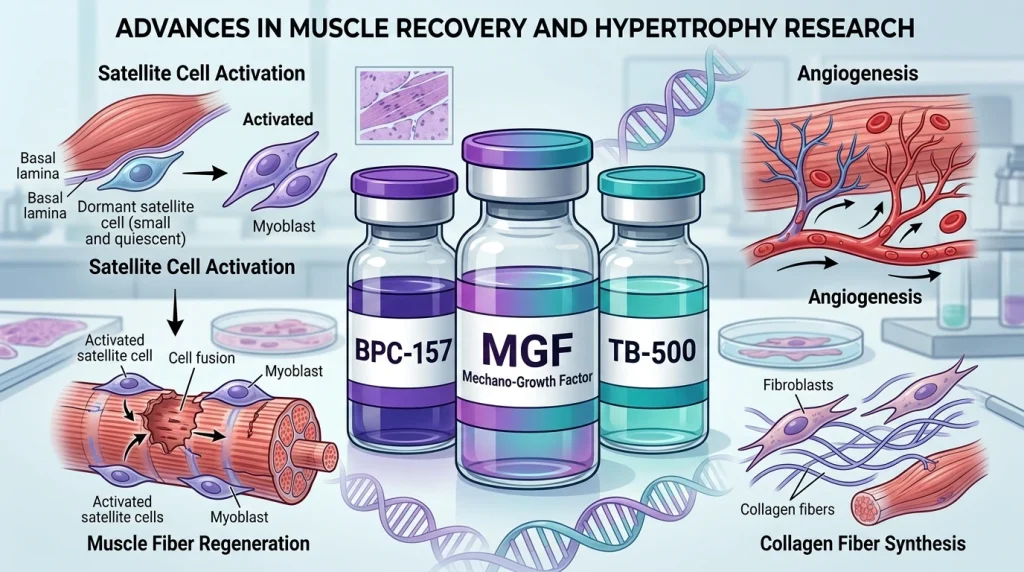
Wolverine Plus for muscle recovery research – how adding MGF to BPC-157 and TB-500 targets satellite cell activation and hypertrophy in published studies.
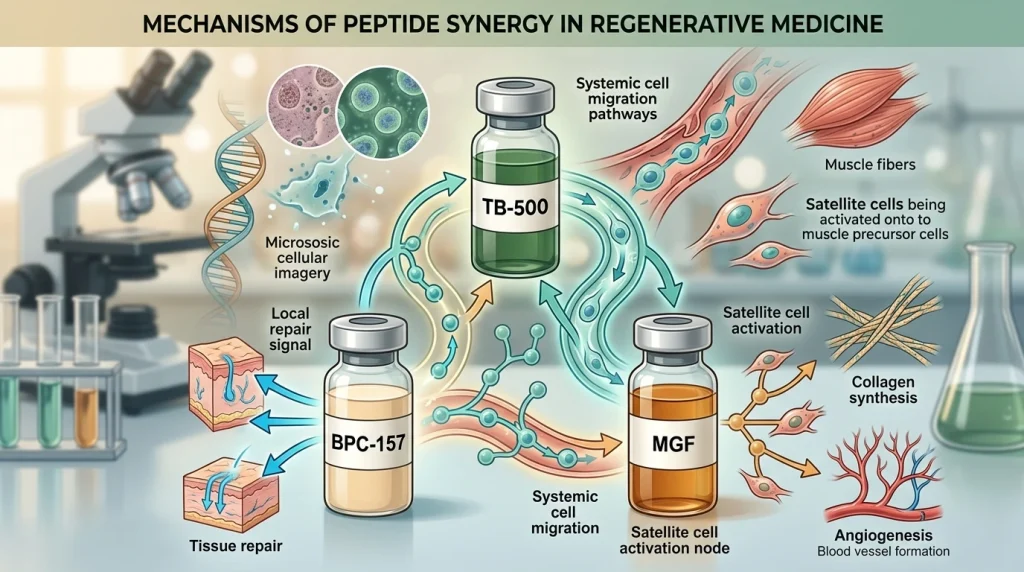
Why add MGF to the Wolverine stack? Clinical research on satellite cell activation and why BPC-157 + TB-500 + MGF outperforms the base pairing for muscle repair.
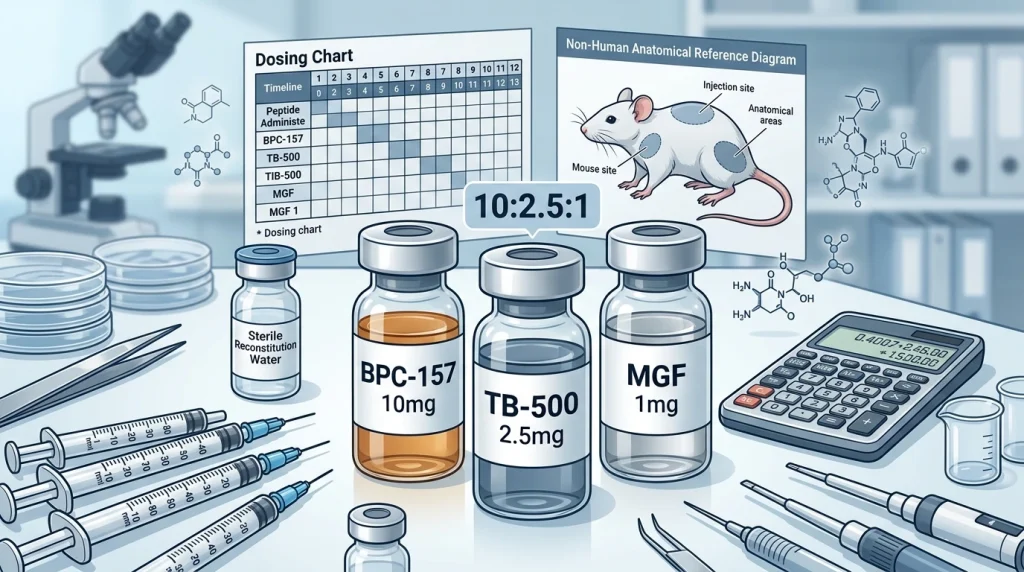
Wolverine Plus dosage research protocols. Published data on BPC-157, TB-500, and MGF combined dosing at the 10mg/2.5mg/1mg blend ratio for recovery.
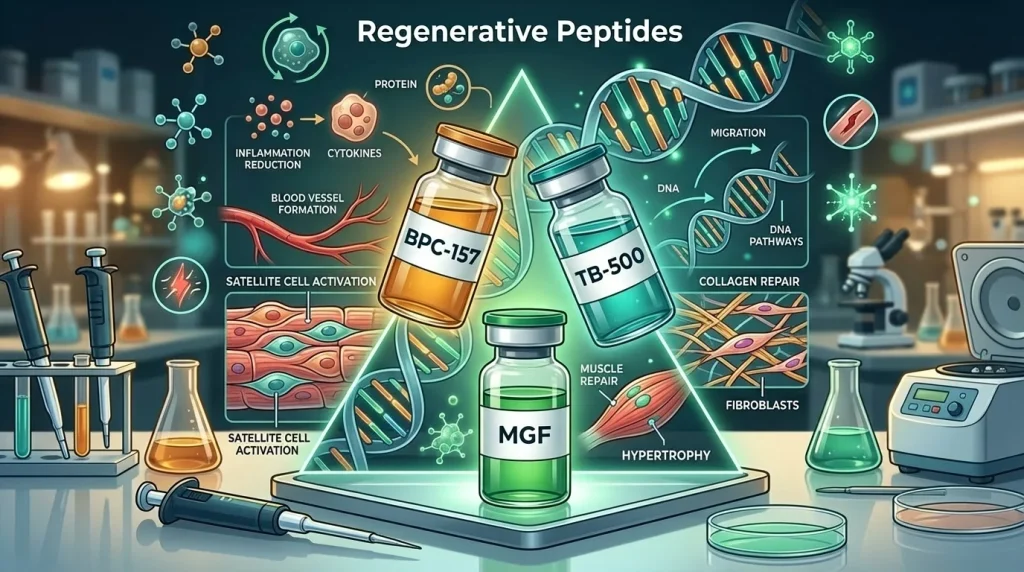
Wolverine Plus peptide blend combines BPC-157, TB-500, and MGF for advanced tissue repair. Research on satellite cell activation and complete healing.
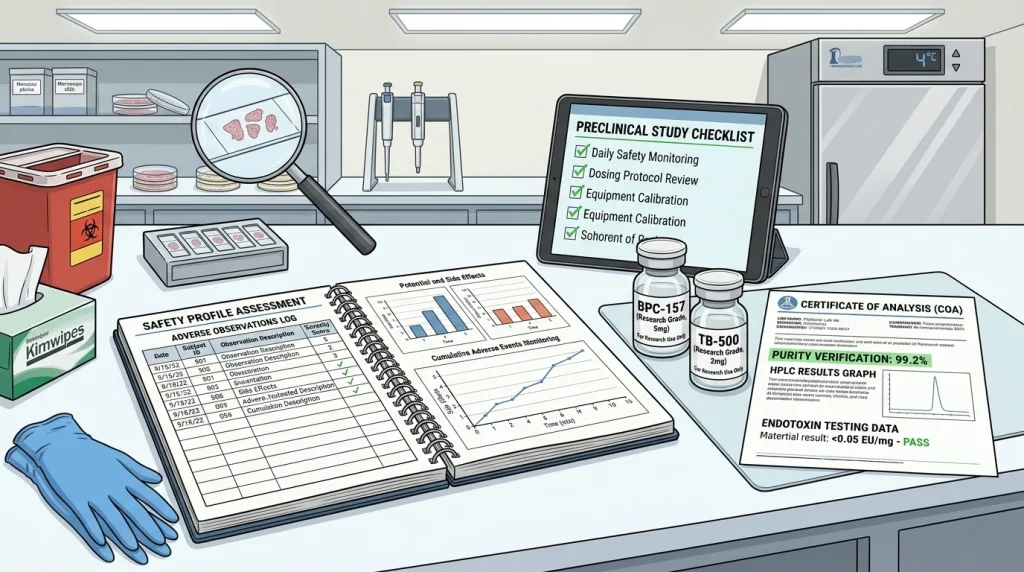
Wolverine stack side effects explained – published BPC-157 and TB-500 safety data, research findings, and what studies document about combined use.